
Why am I so exhausted, even when I'm doing well?
For a long time, I was all smiles and quietly not ok.
I had been promoted to director, working alongside senior execs across organisations in a fast-paced environment, with a great team around me. I loved my job. On paper, I was thriving. Underneath, I was working longer and longer hours to prove myself, though no one had actually asked me to.
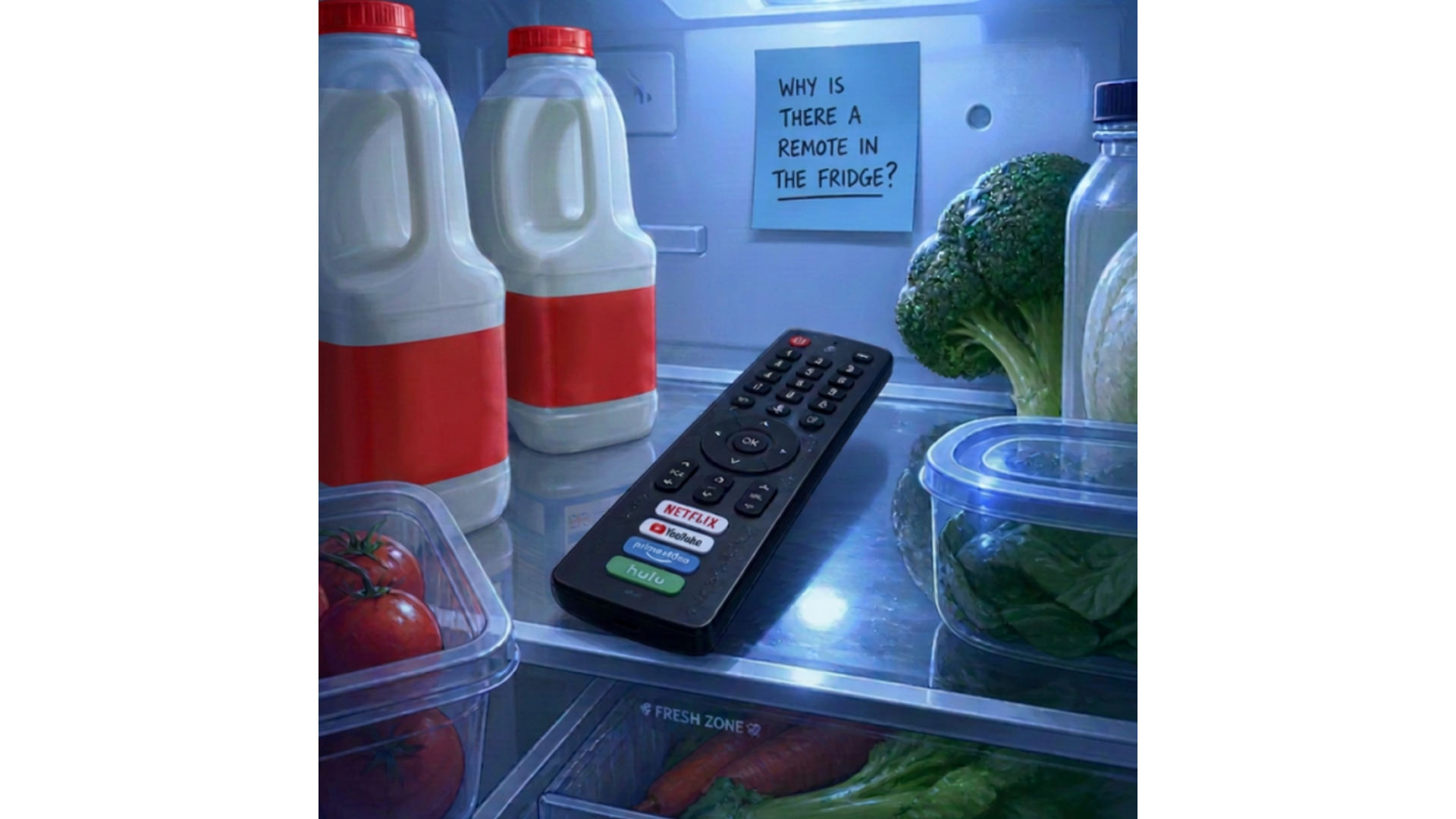
The tell, looking back, was in the small things. Losing track of things around the house. Not remembering words. Not being able to find what was right in front of me. On one day, the TV remote even ended up in the fridge.
I did not call it burnout at the time. I did not call it anything. But the signs were all there, and I was too busy proving myself to notice.
What helped me was a genuinely supportive and kind manager, a great team and finally getting the support I needed. And what I found underneath the exhaustion surprised me. It was not really about the hours. It was years of performing leadership, feeling like an imposter, and holding it together in difficult environments that had caught up with me. The tiredness was a signal, not a weakness.
This is far more common than we admit, and it is not easing. Around seven in ten senior leaders report burning out, and new research this year found that leaders now feel more stressed than they did at the height of the pandemic (Harvard Business Review, 2026). Some of the most capable people I know have quietly wondered whether they still want to lead at all.
The reframe that matters, now backed by that same research, is this. Burnout is not a personal failing to be resilience-trained away. It is usually structural: too much responsibility, too little space, and a quiet pressure to keep performing. When we treat it as an individual weakness, we ask the exhausted person to try harder at the very thing that exhausted them. The more honest question is what in the system, and in the story we are telling ourselves about what we have to prove, is asking to change.
And it is not only in the mind or the diary. Exhaustion lives in the body too. For many women, physical health plays a larger part than we admit, and perimenopause and menopause can quietly compound it, often unnamed and too easily brushed aside. It was not part of my own story, but it comes up often with the leaders I coach and the colleagues I have worked alongside, and I have seen how much it helps simply to name it and seek support.
So if you are exhausted in a way that sleep does not fix, try not to read it as weakness. Read it as information. Something, whether in the system you are working in, the story you are telling yourself, or in your body, is asking for your attention.
You do not have to earn the right to rest, or to ask for support. That is not a reward for holding on long enough. It is where sustainable leadership begins. I wish I had known that sooner.
If any of this sounds familiar, it might be worth giving yourself the space to look at it honestly, before your body insists. That space to think, without having to perform or hold it all together, is a large part of what coaching is for.
Lead from who you are.
Becca
Get in touch: beccabradd@rbpeopleleadership.co.uk
Becca Bradd is an executive coach and founder of RB People and Leadership Advisory Ltd. She works with senior women leaders, those stepping into executive roles, and leaders who face barriers to leadership.